The Indian economy is one of the fastest growing in the world, with a GDP growth rate of around 7% in recent years. However, despite this strong growth, the country still faces significant economic challenges, including high levels of poverty, inequality, and unemployment.
One of the main drivers of economic growth in India has been the service sector, which accounts for around 60% of GDP. This sector has been buoyed by the expansion of the country’s IT and BPO industries, as well as a growing middle class that is driving demand for a wide range of services.
However, the manufacturing and agricultural sectors have not seen the same level of growth, and these sectors continue to struggle. This has led to high levels of unemployment and underemployment, particularly in rural areas.
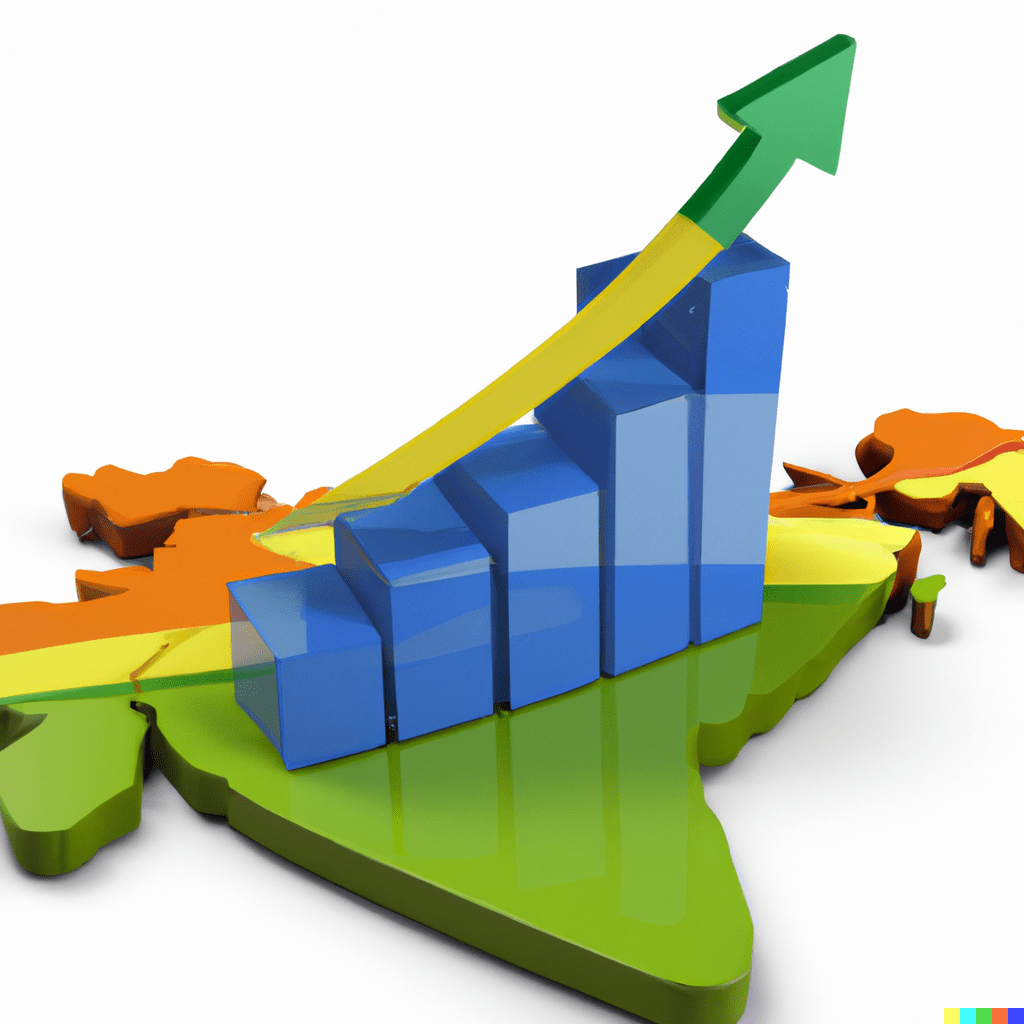
The Indian government has implemented a number of policies and programs aimed at addressing these issues and promoting sustainable economic growth. These include initiatives to improve infrastructure and attract foreign investment, as well as programs to support small and medium-sized businesses, farmers, and the poor.
One of the biggest challenges facing the Indian economy is the high level of inequality. Despite the country’s strong economic growth, the benefits have not been evenly distributed, with a large portion of the population still living in poverty. This has led to increasing social unrest and calls for greater government intervention to address the issue.
Overall, while the Indian economy has made significant progress in recent years, there is still much work to be done to ensure that the benefits of economic growth are shared more equitably and that the country’s economic challenges are addressed.
In addition to this, the Indian government is also facing challenges in terms of controlling inflation, and also the country is dealing with a high current account deficit, which is the difference between the value of a country’s imports and exports.
The Indian government has been taking steps to address these issues, such as implementing policies aimed at increasing exports, and reducing imports by increasing import tariffs and promoting domestic manufacturing. Additionally, it is also taking steps to curb non-essential imports, and encouraging people to buy more locally made goods.
Despite the challenges, India has a strong foundation for continued economic growth, and the country is well-positioned to take advantage of the opportunities presented by globalization and the growth of the digital economy. With a large, young and increasingly educated workforce, India has the potential to become a major player in the global economy in the years to come.
 Finance Explained
Leave a comment