The Ponzi scheme run by financier Bernard Madoff is widely considered to be one of the largest financial scams in history. Madoff, who was the founder and chairman of the Wall Street firm Bernard L. Madoff Investment Securities LLC, defrauded thousands of investors out of billions of dollars over the course of decades.
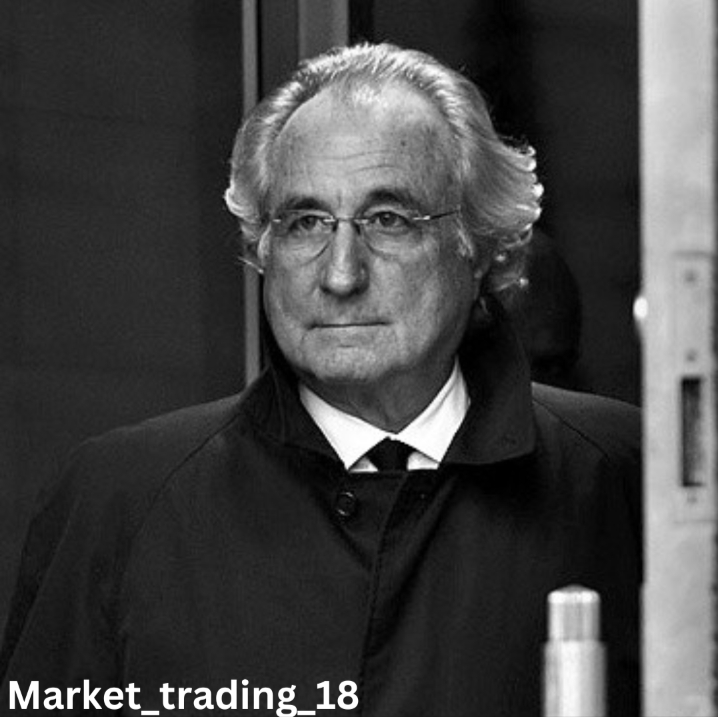
The scheme, which was first uncovered in 2008, involved Madoff promising his clients high returns on their investments through a strategy of split-strike conversion. In reality, however, Madoff was not actually investing their money at all. Instead, he was using the funds from new investors to pay returns to existing investors, creating the illusion of a profitable investment strategy. This is the classic definition of a Ponzi scheme.
The scale of Madoff’s scam was staggering. At its peak, the firm had more than $65 billion in assets under management, with thousands of individual investors, as well as banks, hedge funds, and other financial institutions, entrusting their money to Madoff. When the scheme finally collapsed in 2008, it was revealed that Madoff had been running the Ponzi scheme for decades, and that the actual value of the investments managed by the firm was only a small fraction of the amount claimed.
The fallout from the Madoff scam was significant. Many of Madoff’s victims were left with significant financial losses, and some even lost their entire life savings. The Madoff scandal also had a broader impact on the financial industry, raising questions about the effectiveness of regulatory oversight and the ability of investors to protect themselves from fraud.
In 2009, Madoff pleaded guilty to 11 federal felonies, including securities fraud, wire fraud, and money laundering. He was sentenced to 150 years in prison, and ordered to forfeit $170.8 billion, the amount of principal and fictitious profits that Madoff’s customers invested with him.
The Madoff scandal serves as a cautionary tale about the dangers of entrusting one’s money to an individual or firm without proper due diligence. It also highlights the importance of strong regulatory oversight and the need for investors to be vigilant in protecting themselves from fraud.
 Finance Explained
Leave a comment